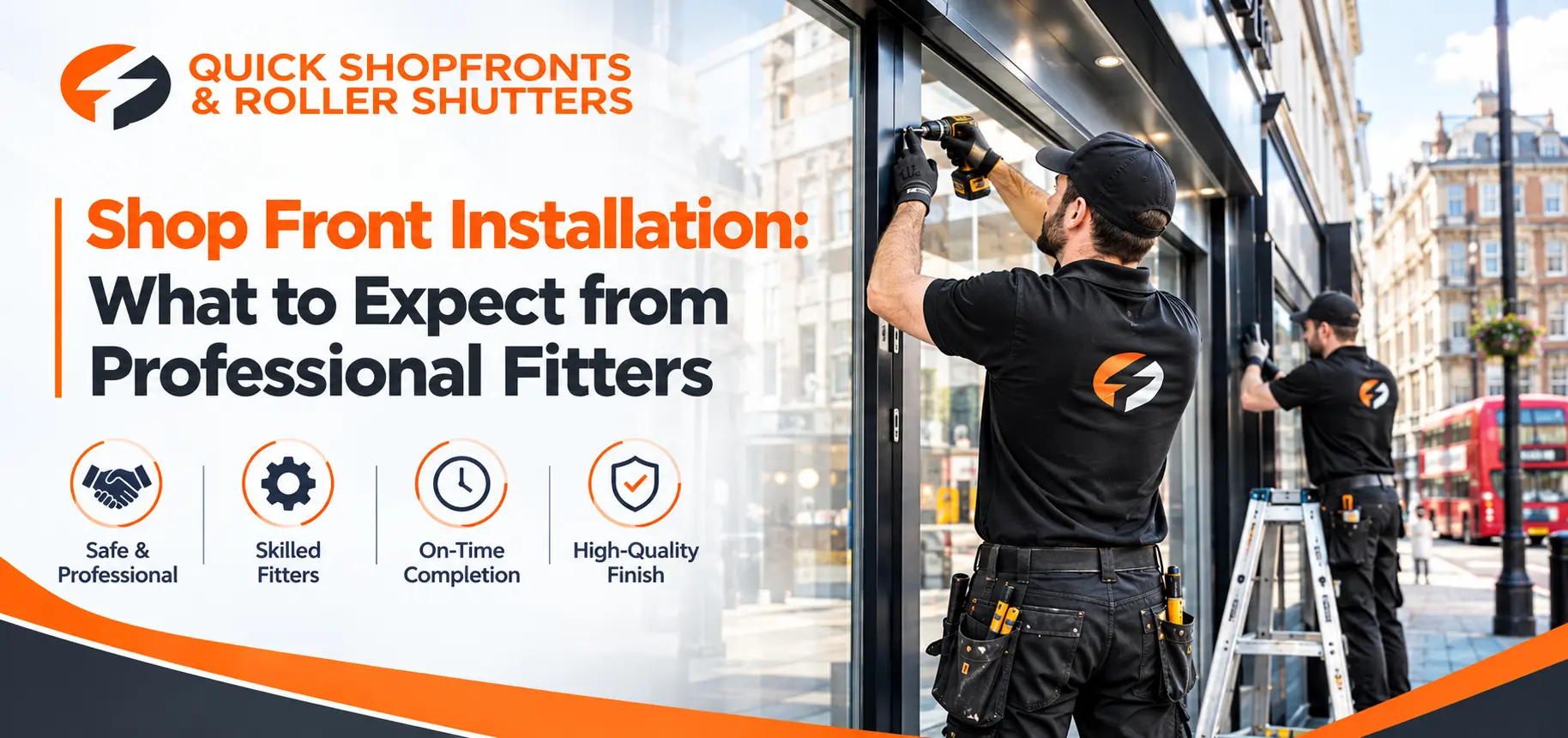
Your shopfront is one of the first things customers see when they come to your business. It can create an impression of the place, from how professional the business looks to how friendly and easy the entrance feels.
This is why shop front installation requires more thinking than just picking a frame or a door. From getting measurements to choosing the right materials and doing the final fitting, every step can influence how the shopfront looks and works.
A professional shop front fitter can help combine all these details, making sure the installation is designed around the building and how the space will be used. What actually happens during the process, and what should a business owner look forward to?
Why Professional Shop Front Installation Matters?
A shopfront must do more than just create a first impression. It must be practical for use, fit the building well and offer a comfortable entrance for customers and staff. This is where professional shopfront installation can make a difference.
Accurate measurements and careful fitting help make sure that doors, frames and glazing work together. A carefully planned professional shop front installation can also help avoid common problems, like gaps, poor alignment or doors that do not operate smoothly.
There are details that need attention during professional shop front installation:
1. Accurate measurements: The shopfront should be measured precisely to ensure it fits the available opening correctly.
2. Suitable materials: Materials should be selected according to the property’s design, usage and practical requirements.
3. Proper alignment: Frames and doors should be positioned carefully to create a neat and well-finished appearance.
4. Secure fitting: All components should be fitted firmly to support regular daily use.
5. Final checks: Doors, locks, glazing and other fittings should be checked to ensure everything operates correctly before the work is completed.
What Does the Shop Front Fitting Process Involve?
Shop front fitting is not about placing a new entrance. It is a step-by-step process that requires proper planning to get the best outcome. Taking time at the start makes the whole job easier and leads to a more professional finish.
The process usually includes:
1. Assessment: First, the shopfront fitter takes a complete assessment of your property. This helps to check how the space looks and what kind of work might be needed before installing anything.
2. Taking measurements: Exact measurements are taken so that the new frames, doors and glass fit perfectly, in the space.
3. Selecting materials: Choices are made about the type of frame, glass, doors and other parts. These decisions depend on the building. How the shop will be used.
4. Preparing the area: If an old shopfront is being removed, the old pieces must be taken out.
5. Fitting the shopfront: The new components are carefully placed, aligned and fixed into position to make sure everything is secure and straight.
6. Inspection: After all parts are installed, the entire setup is checked.
How To Choose The Right Shop Front Fitter?
Choosing the shop front fitter is a key step in any project. The quality of the installation will have an impact on how the shopfront looks.
It will also affect how well the doors and other parts function. It will influence how suitable the shopfront is for everyday use.
It is better to look beyond the price when selecting a fitter. Experience and the way a fitter handles the job are just as important.
Before making a choice, business owners should consider a few points.
1. Relevant experience: Make sure the fitter has worked on commercial properties. Look for examples of work that match your needs.
2. Attention to detail: Accurate measurements and careful fitting are essential for a professional finish. A good fitter will take time to get things right.
3. Material knowledge: The fitter should be familiar with types of frames, glazing and doors. They need to know what works best for environments and uses.
4. Clear communication: The fitter should explain the process. This includes the timeline of what work will be done and what the business owner can expect.
5. Installation approach: Ask how the old shopfront will be removed. Find out how the area will be prepared. Learn how the new system will be fitted.
Conclusion:
A successful shop front installation starts with right planning. It needs measurements, the right materials and skilled fitting. Hiring a shop front fitter makes a big difference.
They handle each step well from getting ready to doing checks. When the fitting is done properly, the result is a shop entrance that looks neat, works without problems and matches what the business really needs every day.
Frequently Asked Questions
1. What Should I Check Before Hiring Shop Front Installers?
Consider their experience, previous commercial work, knowledge of materials, installation process and how clearly they explain the project.
2. How Do Shop Front Installers Prepare A Property?
They assess the existing opening, take measurements and determine whether any removal, repairs or preparation are needed before fitting begins.
3. How Do I Know Which Materials Are Suitable For My Shopfront?
The choice depends on the building, appearance, daily use, glazing requirements and practical needs of the business.
4. Why Is Professional Shop Front Installation Important?
Professional installation helps ensure that the shopfront is properly measured, fitted and finished so it can function effectively for everyday business use.